Brushstrokes of Tomorrow: The 5 Art Culture Trends Redefining Your Creative Soul in 2024

Brushstrokes of Tomorrow: The 5 Art Culture Trends Redefining Your Creative Soul in 2024
As 2024 unfolds, the world of art and creativity is undergoing a transformative shift—one that blends technology, sustainability, and deep human connection. No longer confined to traditional canvases or static galleries, art today is a living, breathing force that mirrors our evolving society. From immersive digital experiences to eco-conscious practices, the trends shaping art culture are not just about aesthetics; they are about redefining how we express, consume, and connect with creativity. Whether you’re an artist, collector, or simply someone who finds solace in the beauty of expression, these five trends will inspire you to see art—and yourself—in a whole new light.
The Rise of Neuroaesthetics: Art That Speaks to the Mind and Soul
Art has always had the power to evoke emotions, but in 2024, it’s becoming increasingly scientific. Neuroaesthetics—the study of how art affects the brain—is merging with artistic creation, leading to works designed not just to be seen but to be *felt* on a neurological level. Artists are collaborating with neuroscientists to craft pieces that stimulate specific areas of the brain, creating experiences that are both visually stunning and psychologically profound.
Imagine walking into a gallery where the colors, shapes, and even sounds are calibrated to reduce stress or enhance focus. This trend is giving rise to “mindful art,” where the act of creation and consumption is as therapeutic as it is aesthetic. For creators, this means exploring mediums that engage multiple senses—think synesthetic paintings that combine visuals with soundscapes or sculptures that respond to touch with vibrational feedback. The result? Art that doesn’t just hang on a wall; it *resonates* within you.
As audiences seek deeper connections with their creative experiences, neuroaesthetic art is also pushing boundaries in digital spaces. Virtual reality (VR) exhibitions now offer brainwave-scanning headsets that adapt the environment in real time based on the viewer’s emotional state. This fusion of art and neuroscience is not just a passing trend—it’s a revolution in how we understand and interact with creativity.
Sustainable Art: Where Creativity Meets Eco-Consciousness
The art world is waking up to its environmental footprint, and in 2024, sustainability isn’t just a buzzword—it’s a necessity. Artists are increasingly turning to recycled materials, biodegradable paints, and zero-waste techniques to create works that are as kind to the planet as they are striking to the eye. The movement, often referred to as “eco-art” or “green art,” is more than a trend; it’s a call to action for the entire creative community.
One standout example is the rise of “upcycled art,” where discarded objects—plastic bottles, old electronics, or even construction debris—are transformed into stunning installations. Artists like Aurora Robson are leading the charge by turning ocean plastic into mesmerizing sculptures, while others are experimenting with mycelium (mushroom-based) materials to create biodegradable canvases. These works challenge viewers to reconsider waste not as refuse but as a resource for beauty.
The shift toward sustainability is also influencing galleries and museums, which are adopting green practices such as energy-efficient lighting, carbon-neutral shipping, and even plant-based exhibition spaces. Collectors, too, are prioritizing art that aligns with their values, driving demand for pieces that tell a story of environmental stewardship. For artists, this trend is an invitation to rethink their materials and processes, proving that creativity and conservation can—and should—go hand in hand.
Digital Duality: The Blurring Lines Between Physical and Virtual Art
2024 is the year when the digital and physical art worlds stop competing and start collaborating. The rise of blockchain technology, artificial intelligence (AI), and augmented reality (AR) is dissolving the boundaries between what’s real and what’s virtual, creating a new era of “digital duality” in art. This trend isn’t about replacing traditional art but expanding its possibilities, offering artists and audiences a hybrid playground where creativity knows no limits.
One of the most exciting developments is the growth of AI-generated art, where algorithms collaborate with human artists to produce pieces that evolve over time. Platforms like DALL·E and MidJourney are no longer novelties; they’re tools that artists are wielding to push the boundaries of imagination. But the real magic happens when these digital creations meet the physical world. Take, for example, NFTs (non-fungible tokens) that are now being embedded into physical artworks, allowing collectors to own both a digital certificate of authenticity and the tangible piece itself. This “phygital” (physical + digital) approach is redefining ownership and provenance in the art world.
Augmented reality is another game-changer, enabling artists to overlay digital elements onto real-world spaces. Imagine a mural that comes to life when viewed through a smartphone, or a sculpture that changes color based on the viewer’s proximity. Galleries are embracing AR to create interactive exhibitions where the art responds to the audience in real time. For artists, this trend opens up endless opportunities to experiment with new mediums, while for viewers, it transforms passive observation into an immersive, participatory experience. The future of art isn’t just digital or physical—it’s both, seamlessly intertwined.
Community-Driven Art: Collaboration as the New Canvas
Art has always been a form of communication, but in 2024, it’s becoming a conversation. The rise of community-driven art is breaking down the traditional hierarchy of the artist-audience relationship, replacing it with a collaborative model where everyone has a voice. This trend is fueled by social media, grassroots movements, and a growing desire for art that reflects diverse perspectives and shared experiences.
One manifestation of this shift is the explosion of “participatory art,” where the audience isn’t just a passive observer but an active co-creator. Projects like Christo and Jeanne-Claude’s *The Gates* in New York City or Yayoi Kusama’s *Infinity Mirror Rooms* have already shown the power of art that invites participation, but 2024 is taking it further. Artists are now using platforms like Instagram, TikTok, and Discord to crowdsource ideas, materials, and even entire artworks. For example, the #CreateWithKaws initiative saw fans worldwide contribute to a massive collaborative mural, with each participant adding their unique touch to a global canvas.
Another driving force behind community-driven art is the emphasis on social justice and activism. Artists are using their platforms to amplify marginalized voices, whether through murals that tell the stories of underrepresented communities or digital campaigns that raise awareness about pressing issues. The #ArtForClimate movement, for instance, has seen artists worldwide create works that highlight environmental injustices, with proceeds often donated to grassroots organizations. This trend isn’t just about making art; it’s about making art *mean something*—together.
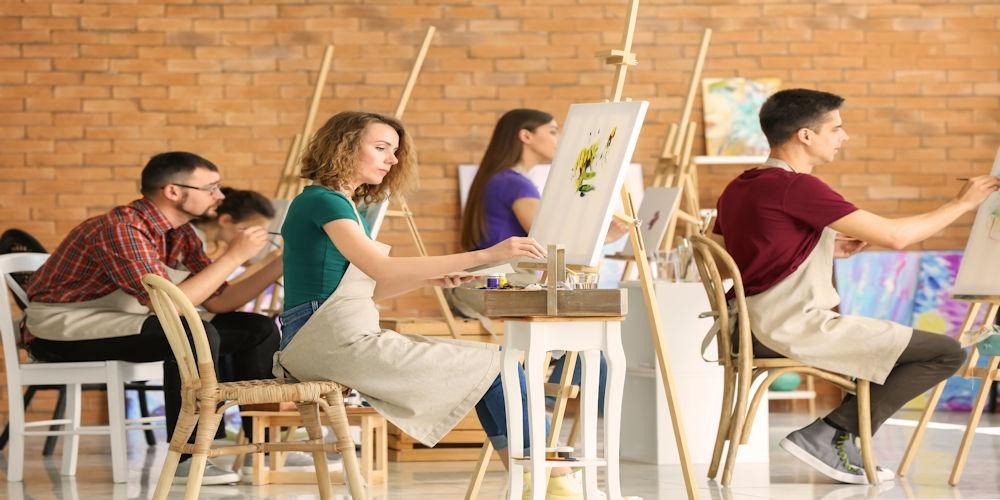
The collaborative spirit is also reshaping how art is produced and consumed. Co-ops and artist collectives are flourishing, offering spaces where creators can share resources, skills, and ideas. These communities aren’t just supporting individual artists; they’re fostering a culture of collective creativity that challenges the myth of the solitary genius. In 2024, art isn’t something you *watch*—it’s something you *do*, alongside others.
The Personalization Paradox: Art Tailored Just for You
In a world of mass production and algorithmic recommendations, 2024 is seeing a counter-movement: the rise of hyper-personalized art. Thanks to advancements in AI, 3D printing, and on-demand manufacturing, artists and platforms are now able to create bespoke pieces that cater to individual tastes, stories, and even biometrics. This trend, dubbed the “personalization paradox,” is redefining what it means to own a piece of art—it’s no longer about fitting into a predefined aesthetic but about art that fits *you*.
The most obvious example of this is AI-generated custom art. Websites like Artbreeder or Deep Dream Generator allow users to input their preferences—whether it’s a specific color palette, a favorite animal, or even a selfie—and generate a one-of-a-kind artwork. But personalization goes beyond algorithms. Artists are now offering “DNA portraits,” where a strand of hair or a cheek swab is used to create a painting that reflects the viewer’s genetic makeup. Others are experimenting with 3D-printed sculptures that are tailored to the owner’s facial features or body measurements, blurring the line between portrait and selfie.
This trend is also making waves in the digital art world, where NFTs are being minted as limited-edition, customizable collectibles. Imagine owning an animated piece where your face appears as the main character, or a generative art NFT that evolves based on your mood. Platforms like Async Art and KnownOrigin are pioneering this space, offering collectors the chance to commission or co-create art that feels uniquely theirs.
However, the personalization paradox comes with its own set of questions. As art becomes increasingly tailored, will it lose its universal appeal? How do we balance individual expression with the collective experience of art? These are debates that artists, collectors, and critics are grappling with in 2024. Yet, one thing is clear: in a world where everything feels mass-produced, personalized art offers a rare and precious connection—a piece of creativity that feels like it was made *just for you*.
Embracing the Future of Art, One Brushstroke at a Time
The art culture trends of 2024 are more than just fleeting fads—they represent a seismic shift in how we create, consume, and connect with art. From the mind-bending possibilities of neuroaesthetics to the communal spirit of collaborative art, these movements are redefining what it means to be creative in the modern world. Whether you’re an artist looking to innovate, a collector seeking meaningful pieces, or simply someone who finds joy in the beauty of expression, there’s never been a more exciting time to engage with art.
The future of art isn’t a distant concept—it’s happening now, in galleries, digital spaces, and the hands of creators worldwide. It’s in the recycled sculptures that challenge our perception of waste, the AI-generated masterpieces that push the boundaries of imagination, and the community murals that remind us that creativity is a shared journey. As we move forward, these trends invite us to not just observe art but to *participate* in it, to let it shape our souls and our society in ways we’re only beginning to understand.
So, what’s your role in the brushstrokes of tomorrow? Will you be a creator, a collaborator, or a collector? The canvas is blank, and the colors are vibrant. The only question left is: where will you begin?