The Canvas of Tomorrow: Unveiling 2024’s Bold Visual Art Trends

The Canvas of Tomorrow: Unveiling 2024’s Bold Visual Art Trends
As the world hurtles forward into 2024, the realm of visual art is undergoing a transformative renaissance. Gone are the days when trends were confined to galleries or static canvases; today’s art is a dynamic, immersive dialogue between technology, culture, and human expression. From the resurgence of tactile craftsmanship to the rise of AI-generated masterpieces, 2024 is painting a future where boundaries are not just pushed but redefined. This article explores the most audacious visual art trends shaping the year, offering a glimpse into how artists, creators, and audiences are reimagining the very essence of creativity.
The Return to the Tactile: Handcrafted and Hyper-Local Art
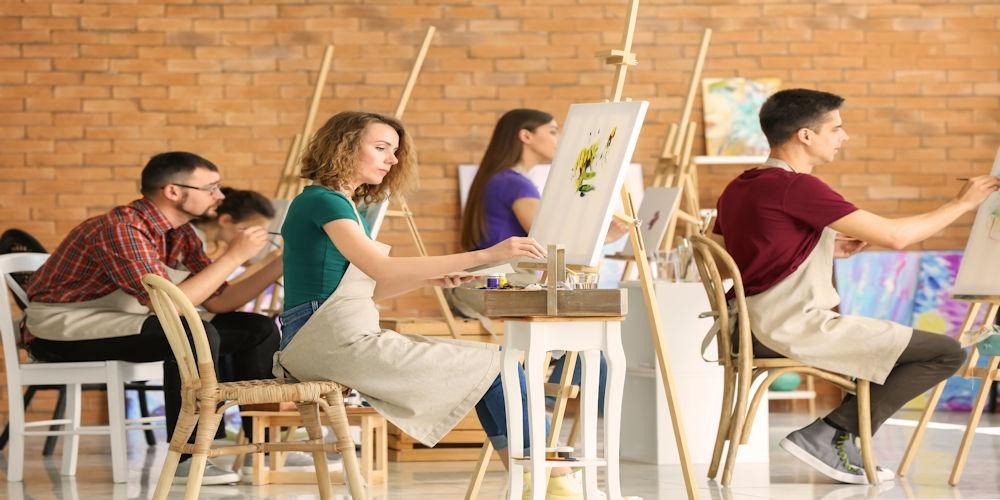
In an era dominated by digital saturation, 2024 witnesses a powerful counter-movement: the resurgence of handcrafted and hyper-local art. Artists are turning away from sterile, mass-produced aesthetics in favor of works that bear the unmistakable imprint of human touch. This trend is not merely nostalgic; it’s a rebellion against the impersonal nature of algorithm-driven art. Instead, communities are embracing slow art—pieces created through traditional techniques like weaving, pottery, and woodblock printing, often infused with personal or cultural narratives.
Key characteristics of this trend include:
- Sustainable Materials: Artists are prioritizing eco-friendly and locally sourced materials, such as reclaimed wood, organic dyes, and recycled fabrics. This aligns with a growing global consciousness about environmental responsibility.
- Community Collaboration: Many creators are engaging in collective projects, such as public murals or communal weaving circles, fostering a sense of shared ownership and cultural identity.
- Textural Storytelling: The emphasis on texture—whether in thick impasto paints, hand-stitched embroidery, or carved reliefs—adds depth and intimacy to the artwork, inviting viewers to engage physically as well as visually.
This return to the tactile is more than an aesthetic choice; it’s a reclaiming of agency in an increasingly virtual world. Galleries and online platforms alike are spotlighting these works, proving that authenticity still resonates deeply.
AI as Co-Creator: The Democratization of Digital Art
Artificial intelligence has transitioned from a tool for artists to a collaborator in the creative process. In 2024, AI is no longer seen as a threat to human creativity but as a catalyst for innovation. Artists are leveraging AI algorithms to generate complex, surreal, or hyper-detailed visuals that push the boundaries of imagination. Platforms like MidJourney, DALL·E, and Stable Diffusion have evolved, offering more intuitive interfaces and customizable outputs that allow creators to refine their visions with unprecedented precision.
The role of AI in art is multifaceted:
- Conceptualization: AI assists in brainstorming sessions, suggesting color palettes, compositions, or even thematic directions based on an artist’s initial input.
- Enhancement: Tools like neural style transfer enable artists to blend their original work with the aesthetics of iconic artists, creating hybrid pieces that bridge past and present.
- Accessibility: AI-generated art tools have democratized creativity, allowing individuals without formal training to produce visually striking work. This has led to a surge in user-generated content on social media and digital marketplaces.
However, this trend is not without debate. Critics argue that AI art lacks the emotional depth of human-made pieces, while proponents highlight the new forms of collaboration it enables—such as artists guiding AI models to produce works that reflect their unique voices. The conversation around AI in art is as much about ethics as it is about aesthetics, ensuring that technology serves as a bridge rather than a replacement for human creativity.
Immersive Experiences: Art That Engages All the Senses
2024 is the year where art transcends the visual, enveloping audiences in multi-sensory experiences. Immersive art installations are evolving beyond mere 3D projections or VR goggles into fully sensory environments that stimulate sight, sound, touch, and even scent. Artists are exploring how to create moments that feel like stepping into another world—one where the boundaries between observer and participant dissolve.
Notable examples of this trend include:
- Scent-Based Art: Installations that incorporate custom fragrances designed to evoke specific emotions or memories. For instance, an exhibit might pair a visual representation of a forest with the scent of pine and damp earth.
- Haptic Feedback: Tactile elements embedded in installations, such as vibrating floors or textured surfaces, allow viewers to “feel” the art as much as see it.
- Interactive Soundscapes: AI-driven audio environments that respond to the viewer’s movements or biometric data, creating a dynamic soundscape that evolves in real time.
The goal of these experiences is to create a holistic encounter that lingers in the memory long after the viewer has left the space. Museums and galleries are investing in these technologies, recognizing that the future of art lies in its ability to foster deep, personal connections.
Neon Noir: The Revival of Cyberpunk Aesthetics
Inspired by the cyberpunk genre’s fusion of high-tech and low-life, the visual art world in 2024 is embracing a bold, neon-soaked aesthetic known as “Neon Noir.” This trend blends dark, moody undertones with vibrant, electric colors—think glowing street signs against rain-slicked pavement, holographic graffiti, and cybernetic portraits rendered in shades of magenta and cyan. The aesthetic is a visual metaphor for the dualities of modern life: progress and decay, connection and isolation, reality and simulation.
Artists adopting this style are exploring several themes:
- Urban Decay Meets Futurism: Works that juxtapose crumbling infrastructure with futuristic elements, such as drones hovering over abandoned buildings or augmented reality overlays on decaying walls.
- Identity in the Digital Age: Portraits that incorporate glitch effects, digital avatars, or fragmented imagery to reflect the fluid, often fragmented nature of identity in the online world.
- Dystopian Beauty: A fascination with the aesthetics of dystopia, where even the most oppressive environments are rendered alluring through striking visual contrasts and dynamic compositions.
Neon Noir is more than a visual trend; it’s a cultural commentary. It reflects society’s ambivalence toward technological advancement, capturing both the awe and the unease of living in an increasingly digital world. Galleries are seeing a surge in demand for pieces that embody this aesthetic, particularly among younger audiences who grew up in the shadow of the internet’s rapid evolution.
Minimalism 2.0: The Art of Subtraction in a Hyper-Stimulated World
In stark contrast to the maximalist tendencies of the past decade, 2024 marks the rise of Minimalism 2.0—a refined, intentional approach to simplicity that prioritizes space, silence, and subtlety. This trend is a response to the overwhelming sensory overload of modern life, where every corner of the digital world is vying for attention. Artists are stripping away excess to create works that feel like a breath of fresh air, where every line, color, and texture serves a purpose.
Key principles of Minimalism 2.0 include:
- Monochromatic Palettes: Artists are increasingly working within limited color ranges, often using shades of white, black, or earth tones to create a sense of calm and focus.
- Negative Space: The deliberate use of empty space in compositions to guide the viewer’s eye and evoke a sense of openness or contemplation.
- Material Purity: A focus on raw, unadorned materials—such as raw canvas, unpolished stone, or untreated metal—to highlight the inherent beauty of simplicity.
This trend is not about emptiness but about clarity. It invites viewers to slow down, to notice the nuances in a single brushstroke or the quiet elegance of a single geometric form. In a world that feels increasingly chaotic, Minimalism 2.0 offers a moment of respite—a visual meditation on the power of less.
The Future is Bright: How These Trends Reflect Societal Shifts
The visual art trends of 2024 are more than fleeting fads; they are mirrors reflecting the collective consciousness of the era. The return to handcrafted art speaks to a yearning for authenticity in an age of artificiality. The integration of AI reflects our complex relationship with technology—both its promise and its pitfalls. Immersive experiences highlight a desire for connection in an increasingly isolated world, while Neon Noir captures our fascination and fear of the future. Minimalism 2.0, in turn, underscores a need for simplicity amid the noise.
These trends also underscore the democratization of art. Technology has lowered the barriers to creation and consumption, allowing voices from diverse backgrounds to be heard. Social media platforms, digital marketplaces, and collaborative tools have enabled artists to bypass traditional gatekeepers, reaching global audiences with their work. This shift is not just about accessibility; it’s about redefining who gets to be an artist and what art can be.
As we navigate the complexities of the 21st century, art remains a vital tool for expression, reflection, and resistance. The canvas of tomorrow is vast and varied, shaped by the hands of both humans and machines, by the echoes of the past and the possibilities of the future. One thing is certain: the art of 2024 is bold, unapologetic, and brimming with potential. It challenges us to see the world—and ourselves—anew.