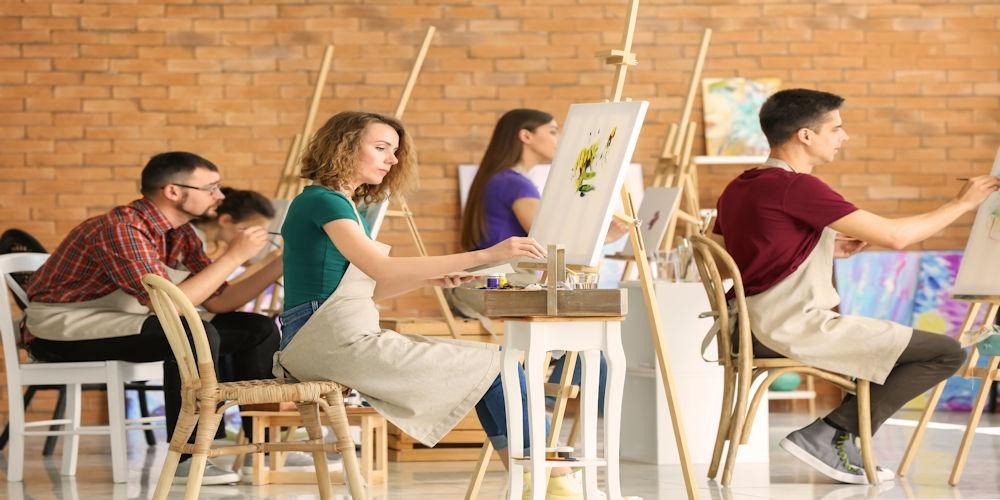
The Canvas of Change: Where News Meets Art

Introduction & Background
The world of communication is evolving at an unprecedented pace, and at the heart of this transformation lies a dynamic intersection where news and art converge. This convergence, often referred to as “The Canvas of Change,” represents more than just a blend of two disciplines. It embodies a powerful medium through which stories are told, emotions are evoked, and societal narratives are shaped. Historically, news has served as a factual account of events, while art has been a vehicle for expression and interpretation. When these two realms merge, they create a unique platform that not only informs but also inspires and challenges perceptions. Today, this fusion is gaining momentum as artists, journalists, and media creators explore innovative ways to communicate complex issues, making the news more accessible and the art more relevant.
The significance of this intersection cannot be overstated. In an era dominated by misinformation and fleeting attention spans, the fusion of news and art offers a refreshing alternative. It allows audiences to engage with current events on a deeper, more emotional level, fostering empathy and critical thinking. This trend is particularly evident in digital platforms, where visual storytelling has become a cornerstone of modern journalism. From illustrated news articles to animated documentaries, the boundaries between traditional reporting and artistic expression are blurring, creating new opportunities for storytelling that resonates with diverse audiences.
Concept & Overview
The Canvas of Change is a conceptual framework where news and art intersect to create a multifaceted narrative experience. At its core, this concept leverages the strengths of both disciplines: the factual rigor of journalism and the emotional resonance of art. It is not merely about decorating news with artistic elements but rather about using art as a tool to enhance the understanding and impact of news stories. This approach can take many forms, including visual journalism, data art, editorial illustrations, and multimedia storytelling.
One of the key principles of this concept is its ability to democratize information. Art has the power to transcend language barriers and cultural differences, making complex news stories more digestible and relatable. Additionally, the Canvas of Change encourages a participatory culture where audiences are not just passive consumers but active contributors to the narrative. This collaborative aspect fosters a sense of community and shared responsibility in addressing societal issues. By integrating art into news reporting, creators can also challenge conventional narratives, offering fresh perspectives that provoke thought and dialogue.
Key Features & Highlights
- Visual Storytelling: The use of illustrations, infographics, and animations to convey news stories in a visually engaging manner.
- Interactive Media: Platforms that combine news content with interactive elements such as clickable maps, timelines, and quizzes.
- Collaborative Art Projects: Initiatives where artists and journalists work together to produce content that highlights social issues, environmental concerns, or political events.
- Data Art: The transformation of raw data into artistic visuals to make statistics and trends more understandable and impactful.
- Multimedia Narratives: Stories told through a combination of text, audio, video, and interactive graphics to create a immersive experience.
- Community Engagement: Art installations, public murals, or digital campaigns that encourage audiences to participate in discussions and actions related to news topics.
- Educational Outreach: Programs that teach students or the public how to use art as a tool for analyzing and discussing current events.
Frequently Asked Questions / Pros & Cons
What is the primary goal of integrating art into news reporting?
The primary goal is to make news stories more engaging, accessible, and emotionally resonant. By using artistic elements, creators can break down complex issues, evoke empathy, and encourage audiences to think critically about the topics presented.
How can artists and journalists collaborate effectively?
Effective collaboration begins with mutual respect and an understanding of each other’s craft. Journalists should communicate clearly about the facts and context of the story, while artists should focus on translating those elements into visually compelling narratives. Regular feedback and open dialogue are essential to ensure the final product aligns with both journalistic integrity and artistic vision.
What are the potential challenges of this approach?
- Balancing Accuracy and Creativity: Ensuring that artistic interpretations do not distort the factual basis of the news story.
- Overcomplication: The risk of adding too many artistic elements, which can overwhelm the audience and dilute the message.
- Accessibility Issues: Some forms of art may not be universally understood or accessible to all audiences, particularly those with disabilities.
- Ethical Concerns: The potential for art to manipulate emotions or mislead audiences, especially in sensitive news topics.
Are there any successful examples of news-art collaborations?
Yes, several projects stand out for their innovation and impact. For instance, The New York Times has used illustrated features to explain complex topics like climate change. The Guardian’s interactive data visualizations have made election results and social issues more digestible. Additionally, artists like Banksy have used their work to comment on political events, demonstrating the power of art as a form of protest and commentary.
How can audiences benefit from the Canvas of Change?
Audiences can benefit by gaining a deeper understanding of news topics through engaging and thought-provoking visuals. This approach can also foster a sense of connection to current events, making them feel more relevant and urgent. Furthermore, audiences may develop a greater appreciation for both art and journalism as tools for social change.
Practical Guidance & Solutions
For artists and journalists looking to explore the Canvas of Change, here are some actionable steps to get started:
- Start Small: Begin with simple collaborations, such as adding illustrations to news articles or using infographics to explain data. This allows both parties to build experience and refine their approach.
- Prioritize Clarity: Always ensure that the artistic elements serve the story rather than overshadow it. The goal is to enhance understanding, not to confuse the audience.
- Seek Feedback: Involve your audience early in the process. Conduct surveys or focus groups to gauge their reactions and make adjustments as needed.
- Use Technology Wisely: Leverage digital tools to create interactive or multimedia content. Platforms like Adobe Spark or Tableau can help simplify the process of combining art and news.
- Focus on Social Issues: Choose topics that resonate with your audience and have a clear connection to societal needs. This increases the likelihood of sparking meaningful conversations and actions.
- Build Partnerships: Collaborate with local art schools, galleries, or media organizations to expand your reach and access additional resources.
- Stay Ethical: Be mindful of the potential for bias or manipulation in artistic interpretations. Always strive for transparency and accuracy in your storytelling.
For audiences interested in engaging with this form of storytelling, consider the following:
- Follow Innovative Sources: Look for news outlets or artists who specialize in combining art and journalism, such as The Nib or Visual Journalism platforms.
- Participate Actively: Share your thoughts on social media or attend local art installations that address news topics. Your engagement can help amplify the message and foster community dialogue.
- Educate Yourself: Take courses or workshops that teach you how to analyze or create news-art content. This can deepen your appreciation and understanding of the form.
- Support Creators: Purchase or share works that align with your values. Supporting independent artists and journalists helps sustain this important intersection of disciplines.
Conclusion
The Canvas of Change is more than a trend; it is a testament to the evolving nature of communication in our interconnected world. By merging the precision of news with the creativity of art, this approach offers a powerful way to inform, inspire, and mobilize audiences. It challenges us to see the world through new lenses, fostering empathy and critical thinking in ways that traditional reporting alone cannot achieve. As technology advances and societal issues grow more complex, the collaboration between art and news will only become more vital.
Whether you are an artist, a journalist, or an engaged citizen, there is a place for you on this canvas. It is a space where stories are not just told but experienced, where facts are not just read but felt. The Canvas of Change invites us all to participate in shaping a more informed, empathetic, and visually rich world. So, pick up your brush, your camera, or your keyboard, and become part of this transformative movement. The future of storytelling is not just something we report on; it is something we create together.