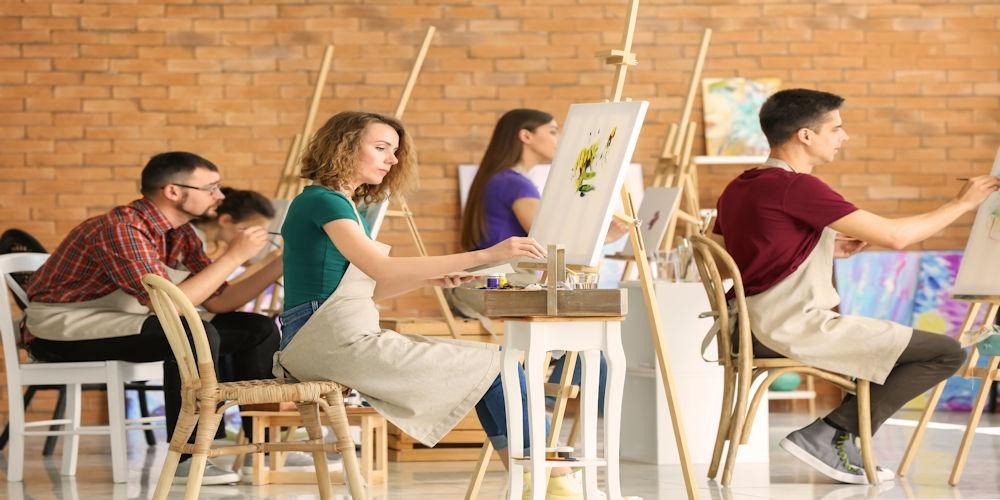
The Canvas of Tomorrow: Emerging Art Trends Redefining Creativity

Introduction & Background
The world of art is evolving faster than ever before, shaped by technology, culture, and the relentless pursuit of innovation. Today, artists are no longer confined to brushes and canvases. Instead, they are exploring new mediums, digital platforms, and collaborative methods that redefine what creativity means. The canvas of tomorrow is not just a space for expression but a dynamic field where boundaries are constantly pushed and traditional norms are challenged. As society changes, so does art, reflecting the values, fears, and aspirations of each generation. This transformation is not merely a trend but a fundamental shift in how we perceive and create art. From virtual reality installations to AI-generated masterpieces, emerging art trends are setting the stage for a future where creativity knows no limits. Understanding these trends is essential for artists, collectors, and enthusiasts alike, as they offer a glimpse into the next era of artistic evolution.
Concept & Overview
The concept of emerging art trends revolves around the idea that art is in a perpetual state of reinvention. It is not just about new techniques or tools but about reimagining the role of art in society. At its core, this movement seeks to break away from conventional forms and embrace experimentation. Artists today are blending disciplines, incorporating technology, and questioning the very definition of art. This overview highlights how these trends are not isolated phenomena but interconnected developments that influence one another. The driving force behind this evolution is a combination of digital transformation, global connectivity, and a growing demand for art that resonates with contemporary issues. Whether through interactive installations or sustainable materials, the canvas of tomorrow is being painted with bold strokes of innovation and inclusivity.
Key Features & Highlights
- Digital Integration: Art is increasingly merging with technology, with digital tools like augmented reality (AR), virtual reality (VR), and blockchain-based NFTs transforming how art is created, shared, and owned. Artists are using these platforms to create immersive experiences that engage audiences in unprecedented ways.
- Sustainable Art Practices: As environmental concerns grow, artists are turning to eco-friendly materials and methods. Upcycling, biodegradable paints, and zero-waste installations are becoming more common, reflecting a commitment to sustainability and social responsibility.
- Collaborative Creation: The rise of online communities and open-source platforms has made collaborative art more accessible. Artists from different backgrounds and geographies are working together, blending diverse perspectives to produce innovative works that transcend cultural boundaries.
- Interactive and Immersive Experiences: Art is no longer passive. Installations that respond to viewers’ movements, sound, or even biometric data are creating deeply personal and engaging experiences. These works challenge the traditional role of the audience, turning spectators into participants.
- AI and Algorithmic Art: Artificial intelligence is playing a significant role in art creation. AI algorithms can generate original artworks, assist in the creative process, or even analyze trends to predict future artistic movements. This raises important questions about authorship and the role of the artist in the digital age.
- Cultural and Social Commentary: Many emerging artists are using their work to address pressing social issues such as inequality, climate change, and identity politics. Their art serves as a powerful tool for advocacy, sparking conversations and driving change.
Frequently Asked Questions / Pros & Cons
What defines emerging art trends today?
Emerging art trends are defined by their departure from traditional methods and their embrace of new technologies, materials, and concepts. They are characterized by experimentation, collaboration, and a focus on addressing contemporary issues. These trends are often driven by younger artists who are more open to risk-taking and innovation, as well as by advancements in technology that make new forms of art possible.
What are the benefits of digital art in emerging trends?
Digital art offers numerous benefits, including accessibility, cost-effectiveness, and the ability to reach global audiences. It allows artists to experiment with new techniques without the constraints of physical materials and enables the creation of interactive and immersive experiences. Additionally, digital platforms provide artists with tools to monetize their work through NFTs and online galleries, opening up new revenue streams.
What are the challenges of AI-generated art?
One of the primary challenges of AI-generated art is the question of authorship and originality. Critics argue that AI lacks the human experience and emotion that underpin traditional art, raising ethical concerns about the role of the artist. There are also concerns about copyright and ownership, as AI algorithms often rely on vast datasets of existing artworks, potentially infringing on the rights of other artists. Additionally, the use of AI in art challenges the very definition of creativity and the value placed on human-made art.
How is sustainability influencing art?
Sustainability is influencing art by encouraging artists to adopt eco-friendly practices and materials. This includes using recycled or upcycled materials, non-toxic paints, and energy-efficient processes. Artists are also exploring themes related to environmental conservation and climate change, using their work to raise awareness and inspire action. This shift reflects a growing recognition of the role art can play in promoting sustainability and fostering a deeper connection with the natural world.
What role does collaboration play in emerging art trends?
Collaboration is becoming increasingly important in emerging art trends, as artists seek to combine their skills and perspectives to create more complex and innovative works. Online platforms and digital tools have made it easier for artists to connect and collaborate across distances, leading to the rise of global art collectives. Collaboration not only enriches the creative process but also fosters cultural exchange and mutual learning, resulting in art that is more diverse and representative of different voices.
Practical Guidance & Solutions
For artists looking to explore emerging trends, the first step is to stay informed and open-minded. Experimenting with new tools and techniques can lead to unexpected breakthroughs, so it is essential to embrace a mindset of continuous learning. Joining online communities or local art collectives can provide valuable opportunities for collaboration and feedback. Artists should also consider how sustainability can be integrated into their practice, whether through the materials they use or the themes they explore.
For collectors and enthusiasts, supporting emerging artists and trends means looking beyond traditional galleries and auction houses. Digital platforms, such as NFT marketplaces and online art fairs, offer accessible ways to discover and acquire new works. Additionally, attending interdisciplinary art events or workshops can provide deeper insights into the creative process behind these trends. By engaging with art that pushes boundaries, collectors can become part of the movement that is redefining creativity for future generations.
For institutions and educators, adapting to these trends involves rethinking curricula and resources to incorporate digital tools, sustainability practices, and collaborative learning. Encouraging students to experiment and take risks can help them develop the skills needed to thrive in the evolving art world. Institutions can also play a role in fostering dialogue around these trends, hosting exhibitions, lectures, and discussions that explore the intersection of art, technology, and society.
Conclusion
The canvas of tomorrow is a vibrant and ever-changing landscape, where art and innovation intersect to create new possibilities. Emerging trends are not just reshaping how art is made but also how it is experienced and understood. From digital integration to sustainable practices, these trends reflect a world that is more connected, conscious, and creative than ever before. For artists, this evolution offers endless opportunities to break boundaries and redefine their craft. For audiences, it provides a chance to engage with art in ways that are immersive, thought-provoking, and deeply personal. As we look to the future, one thing is clear: the art of tomorrow will not be confined by tradition or convention but will continue to evolve, inspire, and challenge us in ways we can only begin to imagine.