The Canvas of Time: Unveiling Art Heritage Across Centuries

The Canvas of Time: Unveiling Art Heritage Across Centuries
Art is more than just a visual expression; it is a living testament to human history, culture, and emotion. Across centuries, art has evolved, shaped by the hands of artists who captured the spirit of their times. From ancient cave paintings to contemporary digital masterpieces, the journey of art is a vibrant tapestry woven with creativity, innovation, and tradition. This exploration delves into the rich heritage of art, uncovering its evolution, significance, and enduring impact on society.
The Dawn of Art: Prehistoric and Ancient Beginnings
The story of art begins long before recorded history. Prehistoric humans left behind some of the earliest artistic expressions in the form of cave paintings, such as those found in Lascaux, France, and Altamira, Spain. These works, dating back over 40,000 years, depict animals and hunting scenes, offering a glimpse into the lives and beliefs of early humans. The use of natural pigments and primitive tools highlights humanity’s innate desire to communicate and preserve stories.
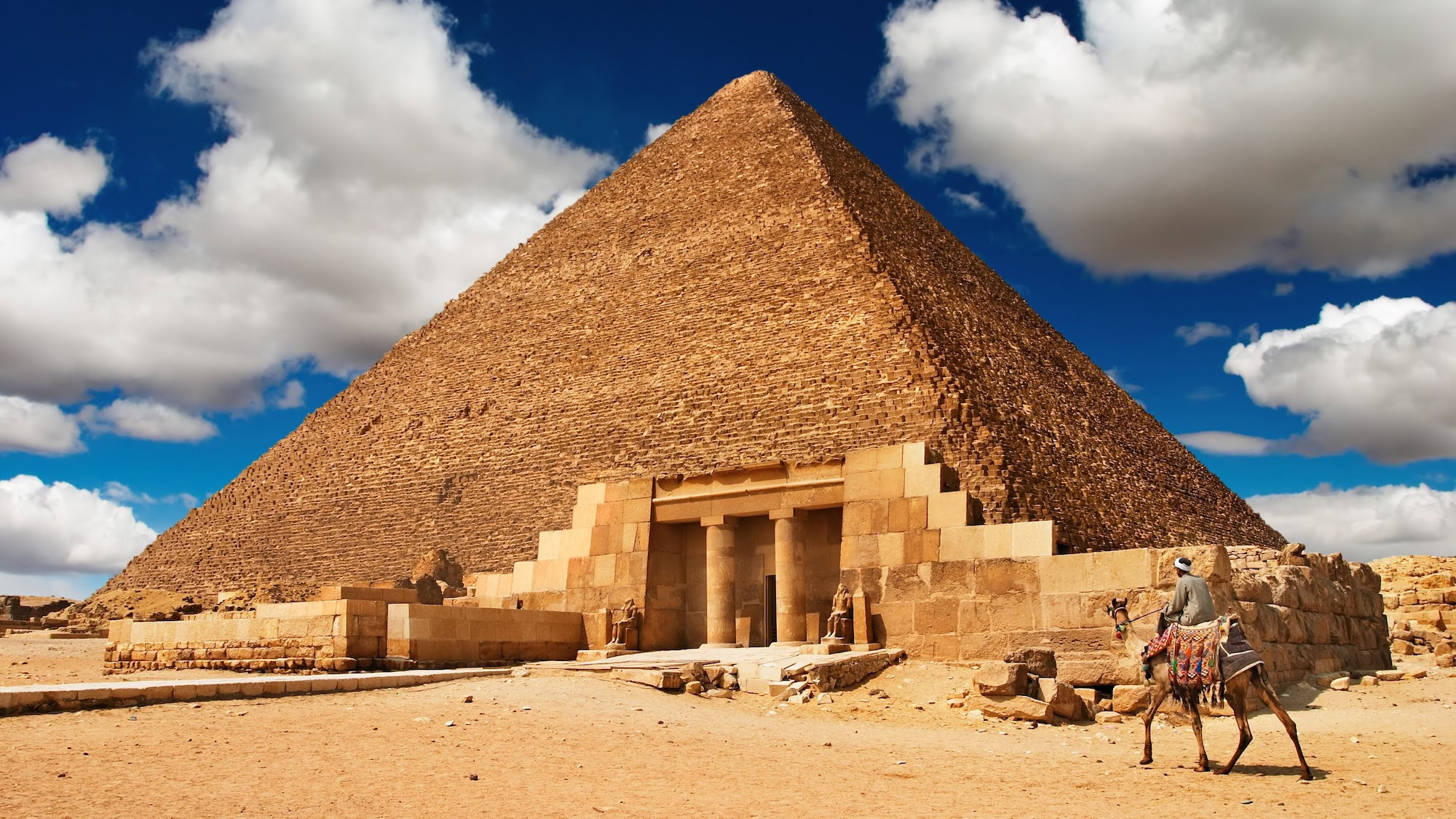
As civilizations emerged, so did more sophisticated art forms. Ancient Egypt, Greece, and Rome produced monumental sculptures, intricate jewelry, and grand architectural marvels. Egyptian art, characterized by its symbolic imagery and rigid conventions, served religious and funerary purposes, while Greek art celebrated humanism, proportion, and idealized beauty. The Parthenon in Athens and the Colosseum in Rome stand as enduring symbols of these ancient cultures, showcasing the mastery of their artisans.
The Renaissance: A Rebirth of Creativity
The Renaissance, spanning the 14th to the 17th centuries, marked a transformative period in art history. Originating in Italy, this era witnessed a revival of classical learning and humanism, which profoundly influenced artistic expression. Artists like Leonardo da Vinci, Michelangelo, and Raphael pushed the boundaries of technique and perspective, creating works that emphasized realism, emotion, and individualism. Leonardo’s *Mona Lisa* and Michelangelo’s *Sistine Chapel ceiling* are iconic examples of the Renaissance’s emphasis on human potential and divine beauty.
The Renaissance also saw the rise of art patronage, where wealthy merchants and the church commissioned artworks to display power and faith. This period laid the foundation for modern art, fostering an environment where creativity flourished alongside intellectual curiosity. The use of oil paints, chiaroscuro lighting, and linear perspective revolutionized the way artists depicted the world, bridging the gap between the medieval and the modern.
The Baroque and Rococo: Drama and Elegance
Following the Renaissance, the Baroque period emerged in the late 16th century, characterized by its dramatic use of light, movement, and emotion. Artists like Caravaggio, Peter Paul Rubens, and Rembrandt van Rijn created dynamic compositions that drew viewers into the action. Caravaggio’s *The Calling of Saint Matthew* exemplifies the Baroque style with its stark contrasts of light and shadow, known as tenebrism, which heightened the emotional impact of the scene.
The Rococo movement, which flourished in the 18th century, offered a stark contrast with its lighthearted, ornate, and pastel-hued compositions. Predominantly seen in France, Rococo art celebrated frivolity, love, and the leisurely pursuits of the aristocracy. François Boucher and Jean-Honoré Fragonard were prominent figures in this style, producing works like *The Swing*, which captured the playful and sensual spirit of the era. While Baroque art was grand and theatrical, Rococo embraced intimacy and decorative charm.
The 19th Century: Revolutions in Art
The 19th century was a period of immense change, and art reflected the societal upheavals of industrialization, political revolutions, and scientific discovery. Romanticism, led by artists like Eugène Delacroix and Francisco Goya, emphasized emotion, nature, and the sublime. Delacroix’s *Liberty Leading the People* became a symbol of revolutionary fervor, while Goya’s *The Third of May 1808* depicted the horrors of war with raw intensity.
In stark contrast, the Realist movement, championed by Gustave Courbet and Jean-François Millet, sought to depict life as it was, without idealization. Courbet’s *The Stone Breakers* and Millet’s *The Gleaners* portrayed the struggles of the working class, challenging the academic traditions of the time. Meanwhile, the Impressionists—Claude Monet, Edgar Degas, and Pierre-Auguste Renoir—revolutionized art by capturing fleeting moments of light and color. Their loose brushwork and emphasis on perception over detail paved the way for modern art.
Modern Art: Breaking Boundaries
The 20th century witnessed an explosion of artistic movements that defied convention and redefined the purpose of art. The early 20th century saw the rise of Cubism, pioneered by Pablo Picasso and Georges Braque. By fragmenting forms and depicting multiple perspectives simultaneously, Cubism shattered traditional notions of representation. Picasso’s *Les Demoiselles d’Avignon* and Braque’s *Violin and Candlestick* are seminal works that challenged viewers to see the world in new ways.
Surrealism, led by Salvador Dalí and René Magritte, delved into the subconscious, creating dreamlike and often unsettling imagery. Dalí’s *The Persistence of Memory*, with its melting clocks, became an iconic symbol of the movement. Meanwhile, Abstract Expressionism, spearheaded by Jackson Pollock and Willem de Kooning, emphasized spontaneity and emotion. Pollock’s drip paintings, created by pouring paint onto canvas, epitomized the freedom and individualism of the post-war era.
The latter half of the 20th century and beyond saw the rise of Pop Art, Minimalism, and Conceptual Art. Artists like Andy Warhol and Roy Lichtenstein blurred the lines between high art and popular culture, while Minimalists like Donald Judd and Agnes Martin reduced art to its essential forms. Conceptual artists, such as Marcel Duchamp and Joseph Kosuth, questioned the very definition of art, emphasizing ideas over aesthetics.
Contemporary Art: A Global Tapestry
Today, art continues to evolve, reflecting the complexities of a globalized world. Contemporary artists draw inspiration from diverse cultures, technologies, and social issues. Street art, exemplified by Banksy and Shepard Fairey, challenges traditional gallery spaces and engages with public discourse. Meanwhile, digital art and NFTs (non-fungible tokens) have opened new frontiers, allowing artists to explore virtual realms and redefine ownership in the art world.
Themes of identity, sustainability, and digitalization permeate contemporary art. Artists like Ai Weiwei address political and social injustices, while Yayoi Kusama’s immersive installations invite viewers into surreal, infinite spaces. The rise of social media has democratized art, enabling artists from marginalized communities to share their voices and gain recognition. Museums and galleries worldwide now prioritize inclusivity, showcasing works by women, artists of color, and those from non-Western traditions.
The Enduring Legacy of Art
Art is not merely a reflection of the past; it is a living, breathing entity that continues to shape our present and future. Each brushstroke, sculpture, and digital creation carries the weight of history while pushing boundaries into uncharted territories. The preservation of art heritage ensures that future generations can connect with the stories, struggles, and triumphs of those who came before them.
In a world marked by rapid technological advancements and cultural shifts, art remains a universal language. It fosters empathy, sparks dialogue, and challenges perceptions. Whether through a Renaissance masterpiece, a Baroque drama, or a contemporary digital installation, art invites us to see the world—and ourselves—in new and profound ways.
Preserving Our Artistic Heritage
As we celebrate the rich tapestry of art across centuries, it is crucial to recognize the responsibility we bear in preserving this heritage. Museums, conservationists, and cultural institutions play a vital role in safeguarding artworks from decay and loss. Initiatives like digital archiving, restoration projects, and educational programs ensure that art remains accessible to all.
Moreover, supporting living artists and emerging talents is equally important. By attending exhibitions, purchasing art, and engaging with creative communities, we contribute to the ongoing narrative of human expression. Art is not just about the past; it is a dynamic force that continues to inspire, provoke, and connect us across time and space.
A Final Reflection
The canvas of time is vast, and art is its most vivid brushstroke. From the earliest cave paintings to the latest digital innovations, art tells the story of humanity—its dreams, its conflicts, its beauty, and its resilience. As we traverse the centuries, let us not only admire the masterpieces of the past but also embrace the creativity of the present and the possibilities of the future. In art, we find a mirror, a window, and a bridge—connecting us to our ancestors, our contemporaries, and the generations yet to come.