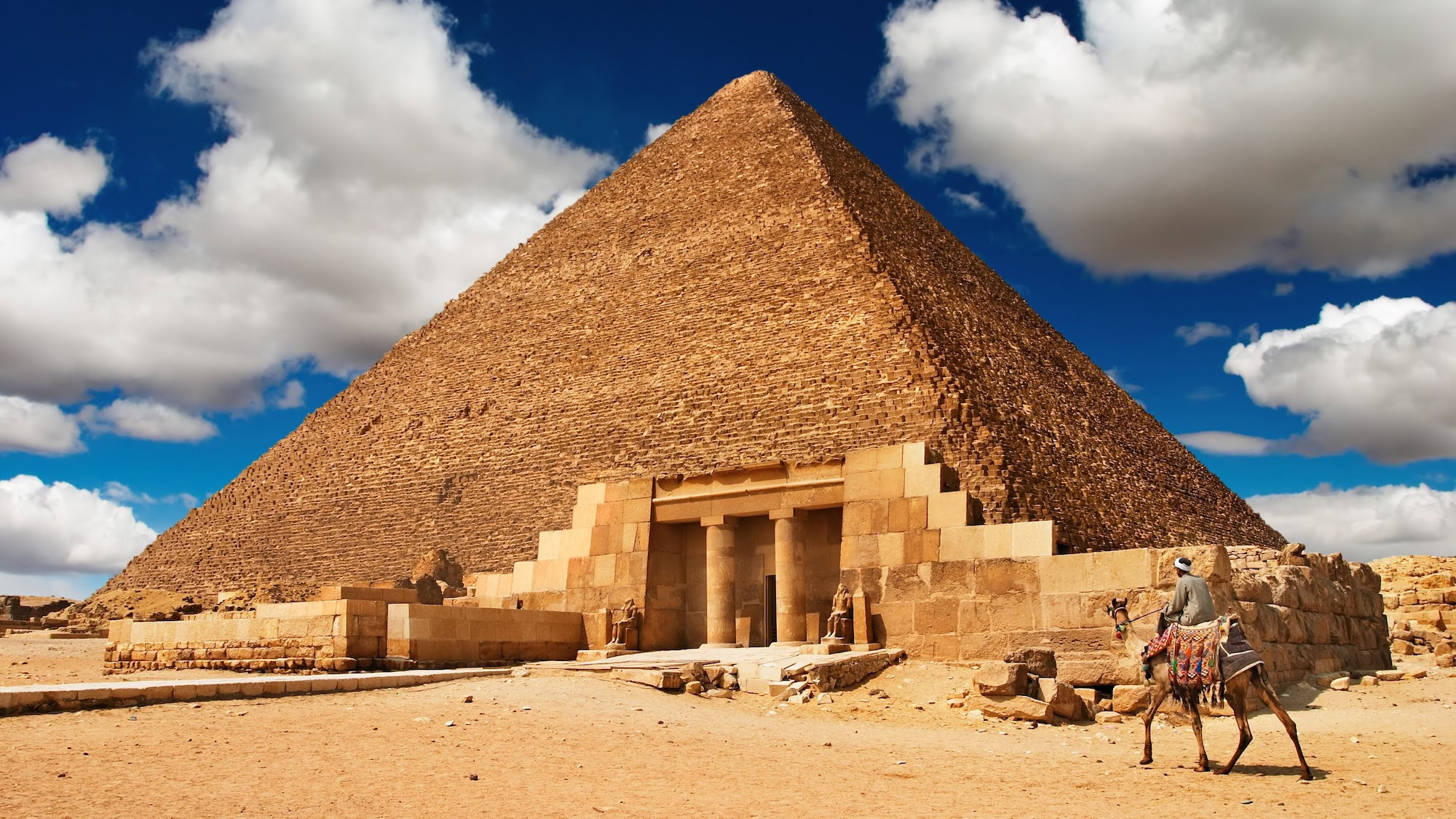
Unveiling the Soul of Tradition: A Journey Through Cultural Art Events

Unveiling the Soul of Tradition: A Journey Through Cultural Art Events
Culture is the heartbeat of humanity. It breathes through language, food, music, and art, weaving the threads of heritage into the fabric of our identities. Among the most vivid expressions of culture are traditional art events—festivals, exhibitions, and performances that celebrate the depth of history, craftsmanship, and communal storytelling. These gatherings are more than just spectacles; they are living museums where the past and present converge, inviting us to witness the soul of tradition unfold in real time.
Attending such events is like stepping into a time capsule, where the past is not just remembered but relived. Whether it’s the rhythmic clatter of a folk dance, the vibrant hues of a handwoven textile, or the haunting melody of an age-old ballad, cultural art events offer a sensory immersion into the values and stories that have shaped communities for generations. They remind us that tradition is not static; it evolves, adapts, and thrives when shared with open hearts and curious minds.
The Significance of Cultural Art Events
Cultural art events serve multiple purposes beyond entertainment. They act as bridges between generations, fostering intergenerational dialogue where elders pass down wisdom, and youth find inspiration. These gatherings also promote cultural preservation, ensuring that indigenous knowledge, techniques, and narratives are not lost to the passage of time. In an era of globalization, where homogenization threatens diversity, such events become vital in maintaining the uniqueness of local and regional identities.
Additionally, cultural art events often play a role in economic revitalization. They attract tourists, support local artisans, and create opportunities for small businesses to thrive. Festivals like Japan’s Gion Matsuri or Mexico’s Día de los Muertos celebrations draw international visitors, injecting vitality into communities while showcasing their heritage on a global stage. This economic dimension underscores the interconnectedness of culture and prosperity.
From a social perspective, these events foster inclusivity and cross-cultural understanding. In multicultural societies, art festivals can become platforms for dialogue, breaking down barriers and promoting empathy. They offer a space where differences are celebrated rather than feared, and where shared humanity takes center stage.
Exploring the Diversity of Cultural Art Events
The world is a tapestry of traditions, each with its own unique art events that reflect its history and values. Here are some of the most captivating types of cultural art gatherings from around the globe:
- Folk Festivals: These celebrate the indigenous art forms of a region, often featuring traditional music, dance, and crafts. Examples include India’s Durga Puja, which combines religious devotion with artistic expression, and Scotland’s Highland Games, where pipe bands and Highland dancing take center stage.
- Indigenous Art Markets: These markets provide a platform for indigenous artists to showcase their work, from handcrafted jewelry to intricate beadwork. The Santa Fe Indian Market in the U.S. and Australia’s Tarnanthi festival are prime examples, promoting both cultural pride and economic empowerment.
- Religious and Spiritual Festivals: Many cultures intertwine art with spirituality. The Holi festival in India, with its explosion of colors, is a visual and symbolic representation of unity and renewal. Similarly, the Day of the Dead in Mexico blends art, music, and ritual to honor ancestors.
- Theater and Performance Arts: Traditional theater forms, such as Japan’s Noh or China’s Peking Opera, are immersive experiences that blend storytelling, costume, and music. These performances are not just shows but profound cultural rituals.
- Craft Fairs and Maker Markets: These events highlight the skill and creativity of local artisans. From Scandinavian duodji (Sami handicrafts) to Mexican alebrijes (colorful folk art sculptures), these gatherings celebrate the tactile beauty of handmade objects.
- Food and Culinary Festivals: While not always classified as art events, culinary traditions are a form of cultural expression. Festivals like Italy’s Truffle Festival or Thailand’s Songkran water festival blend gastronomy with performance, music, and ritual.
The Emotional and Spiritual Impact of Tradition
Beyond their cultural and economic significance, traditional art events evoke deep emotional and spiritual responses. There is something profoundly moving about witnessing a ritual that has been performed for centuries, or an art form that carries the stories of countless ancestors. These experiences often leave a lasting imprint on the soul, fostering a sense of connection to something greater than oneself.
For many, attending such events is a form of pilgrimage—a journey to reconnect with roots, to find meaning in shared humanity, or to seek solace in the beauty of tradition. The communal aspect of these gatherings is particularly powerful; laughter, tears, and applause become shared languages that transcend verbal communication. Whether it’s the collective awe during a fireworks display at a Chinese New Year celebration or the quiet reverence in a Native American powwow circle, the emotional resonance is undeniable.
Moreover, these events often serve as a reminder of resilience. Many traditions have survived wars, colonization, and globalization, proving the enduring power of culture to adapt and endure. For marginalized communities, cultural art events can be acts of resistance and reclamation, asserting identities that have historically been suppressed.
How to Engage with Cultural Art Events Respectfully
While cultural art events are open to all, it’s essential to approach them with respect and mindfulness. Here are some guidelines to ensure a meaningful and ethical experience:
- Do Your Research: Understand the significance of the event, its origins, and any associated customs or rituals. This knowledge fosters appreciation rather than appropriation.
- Support Local Artisans and Artists: Purchase handmade goods directly from creators, attend workshops led by community members, or donate to cultural organizations. Economic support helps sustain these traditions.
- Participate with Intention: If invited to join a ceremony or dance, do so with humility and willingness to learn. Avoid turning sacred spaces into mere tourist attractions.
- Listen and Observe: Not everything is meant to be shared or replicated. Some traditions are deeply personal or spiritual, and observing silently can be just as meaningful as participating.
- Avoid Stereotyping or Exoticizing: Refrain from reducing complex traditions to simplistic or commercialized versions. Authentic engagement means recognizing the depth and diversity within cultures.
- Leave No Trace: Respect the environment and the community’s resources. Follow guidelines for waste disposal, noise levels, and behavior in sacred or historical sites.
The Future of Cultural Art Events
In an increasingly digital world, the future of cultural art events faces both challenges and opportunities. On one hand, globalization and urbanization threaten the erosion of traditional practices as younger generations migrate to cities or adopt globalized lifestyles. The pressure to adapt or commercialize can dilute the authenticity of these events, turning them into mere performances rather than living traditions.
On the other hand, technology offers new avenues for preservation and dissemination. Social media, virtual reality, and digital archives can document endangered traditions, making them accessible to global audiences. Innovations like augmented reality tours of historical sites or online workshops with master artisans can keep traditions alive in innovative ways.
There is also a growing movement toward decolonizing cultural narratives, where marginalized communities take control of how their traditions are represented. This shift emphasizes self-determination, ensuring that cultural art events are not just curated for outsiders but are authentic expressions of the communities themselves.
The role of cultural art events may also evolve to address contemporary issues. Many festivals now incorporate themes of sustainability, social justice, and mental health, reflecting the changing priorities of society. For example, climate change awareness is becoming a focus in many indigenous festivals, where traditional ecological knowledge is highlighted as a solution to modern environmental crises.
Why These Events Matter Now More Than Ever
In a world often divided by politics, borders, and ideologies, cultural art events remind us of our shared humanity. They offer a counter-narrative to division by celebrating diversity, fostering empathy, and encouraging dialogue. In times of crisis, these gatherings can also serve as acts of healing—whether through the communal mourning of a religious festival or the collective joy of a harvest celebration.
For travelers, attending cultural art events is a way to travel with intention. Instead of merely visiting landmarks, one engages with the soul of a place. For locals, these events are a reminder of the richness within their own communities, often overlooked in the hustle of modern life.
Ultimately, cultural art events are not relics of the past; they are dynamic, evolving expressions of who we are and who we aspire to be. By participating in them with respect and openness, we honor the past while nurturing the traditions that will shape the future.
A Call to Embrace Tradition
We live in an age of instant gratification, where the pace of life often leaves little room for reflection or connection. Cultural art events invite us to slow down, to listen, and to participate in something greater than ourselves. They challenge us to step out of our comfort zones, to learn from stories that predate us, and to find beauty in the unfamiliar.
So, the next time you hear about a local festival, an indigenous market, or a traditional performance, consider attending. Step into the rhythm of the drum, let the colors of a textile wash over you, or lose yourself in the melody of an ancient song. In doing so, you’re not just witnessing a tradition—you’re becoming a part of its story.
Tradition is not just something to observe; it’s something to live, to cherish, and to carry forward. And in a rapidly changing world, perhaps that’s the most important journey of all.