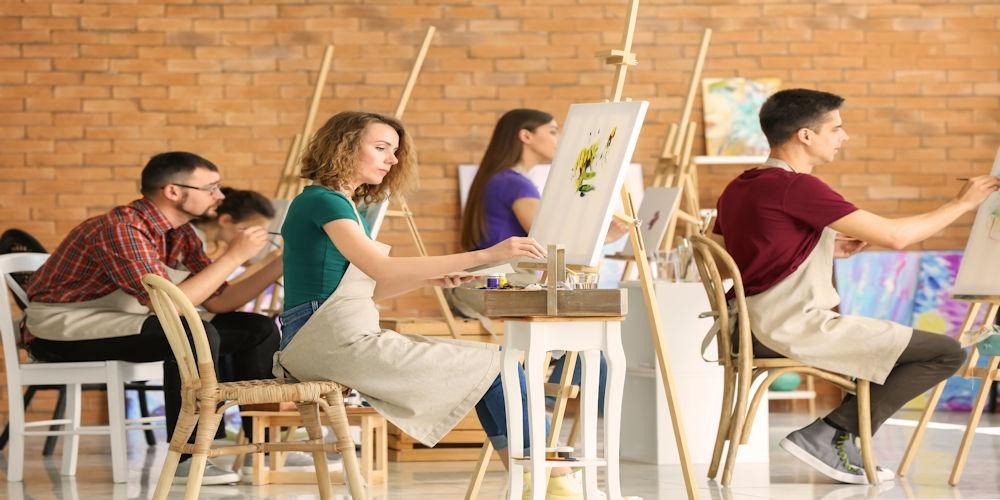
The Canvas of Tomorrow: Where Art Meets Innovation in Design

The Canvas of Tomorrow: Where Art Meets Innovation in Design
In a world where technology evolves at lightning speed and creativity knows no bounds, the intersection of art and innovation in design is redefining how we perceive and interact with the world around us. This dynamic relationship is not just about aesthetics—it’s about storytelling, functionality, and pushing the boundaries of what is possible. From immersive digital experiences to sustainable materials, the canvas of tomorrow is being painted with bold strokes of imagination and technical ingenuity.
The fusion of art and innovation isn’t a new concept, but its relevance has never been more pronounced. Historically, art has always been a catalyst for change, challenging norms and inspiring progress. Today, that role has expanded into design, where artists and innovators collaborate to create solutions that are as beautiful as they are functional. Whether it’s in architecture, product design, or digital media, the marriage of art and innovation is crafting experiences that resonate on multiple levels.
The Role of Art in Modern Design
Art brings emotion, narrative, and a human touch to design. It transforms functional objects into statements of culture, identity, and purpose. Modern designers are increasingly drawing inspiration from artistic movements—whether it’s the bold lines of Art Deco, the abstract forms of Cubism, or the minimalism of Japanese aesthetics. These influences are evident in everything from smartphone interfaces to urban landscapes, where art elevates the ordinary into the extraordinary.
One of the most compelling aspects of art in design is its ability to evoke emotion. A well-designed product or space doesn’t just serve a purpose; it tells a story. For example, the work of designers like Philippe Starck or Karim Rashid showcases how art can turn everyday items into objects of desire. Their creations are not just utilitarian—they are experiences that engage the senses and spark imagination.
Innovation as the Driving Force
Innovation, on the other hand, is the engine that propels design forward. It challenges artists and designers to rethink conventions, experiment with new materials, and leverage cutting-edge technologies. The rise of 3D printing, for instance, has revolutionized the way designers create prototypes and final products. It allows for unprecedented customization and complexity, enabling artists to bring their most intricate visions to life with precision.
Another groundbreaking innovation is the integration of artificial intelligence in design. AI tools are now capable of generating design concepts, optimizing layouts, and even predicting trends based on vast datasets. For artists, this means more time to focus on creativity while AI handles the technical heavy lifting. The result is a synergy where human ingenuity and machine efficiency combine to produce work that was once unimaginable.
Sustainability: The New Frontier in Art and Design
As the world grapples with environmental challenges, sustainability has become a cornerstone of modern design. Artists and designers are increasingly turning to eco-friendly materials, upcycling techniques, and circular design principles to reduce waste and minimize their carbon footprint. This shift is not just about ethics—it’s about reimagining the role of design in creating a more sustainable future.
For example, designers like Neri Oxman are pioneering the use of biodegradable materials and 3D-printed structures inspired by nature. Her work at the MIT Media Lab explores how art and innovation can merge to create structures that mimic biological systems, promoting harmony between human-made objects and the natural world. Similarly, brands like Adidas and IKEA are investing in recycled materials and modular furniture designs that prioritize longevity and adaptability.
Case Studies: Where Art Meets Innovation
To better understand the impact of this fusion, let’s explore a few real-world examples where art and innovation have collided to create something extraordinary:
- TeamLab Borderless Tokyo – This immersive digital art museum in Japan blurs the line between art and technology. Visitors are surrounded by interactive, ever-changing installations that respond to their movements, creating a surreal and dynamic experience. The museum is a testament to how digital innovation can transform art into an interactive journey.
- Zaha Hadid Architects – Known for their futuristic and fluid architectural designs, Zaha Hadid’s firm pushes the boundaries of what buildings can look like. Their use of parametric design and advanced modeling software allows them to create structures that are both visually stunning and structurally innovative.
- The Ocean Cleanup – While primarily an environmental initiative, The Ocean Cleanup’s designs incorporate artistic elements to raise awareness about plastic pollution. Their floating barriers and sculptures are both functional and visually striking, proving that art can play a crucial role in activism and sustainability.
- Apple Park – The headquarters of Apple Inc. is a masterpiece of modern design, blending minimalist aesthetics with cutting-edge technology. The campus features open spaces, curved glass facades, and energy-efficient systems, all designed to foster creativity and innovation. The integration of art and functionality is evident in every detail, from the landscape design to the interior architecture.
The Future of Art and Design: A Collaborative Journey
The future of art and innovation in design is a collaborative journey, one that will be shaped by the artists, designers, engineers, and technologists who dare to dream big. As virtual reality (VR) and augmented reality (AR) become more accessible, we can expect to see even more immersive and interactive art experiences. Imagine stepping into a virtual gallery where the art adapts to your emotions, or wearing AR glasses that overlay digital art onto real-world spaces.
3D printing will continue to democratize design, allowing individuals to create custom, one-of-a-kind pieces without the need for mass production. This shift could lead to a renaissance of handcrafted artistry, where technology enhances rather than replaces human skill. Meanwhile, AI will evolve to become a more intuitive partner in the creative process, offering suggestions and refinements that spark new ideas.
The most exciting part of this evolution is the potential for art and design to address global challenges. From climate change to social inequality, creative solutions will be essential in shaping a better future. Designers will play a pivotal role in reimagining cities, products, and systems to be more inclusive, sustainable, and inspiring.
How to Embrace the Fusion of Art and Innovation
For artists and designers looking to harness the power of this fusion, the key is to remain curious and open-minded. Here are a few steps to get started:
- Experiment with New Tools – Whether it’s AI software, 3D printers, or VR headsets, familiarize yourself with the technologies that are shaping the future of design.
- Collaborate Across Disciplines – Partner with engineers, programmers, and scientists to create work that is both innovative and impactful.
- Prioritize Sustainability – Consider the lifecycle of your designs and explore materials and methods that minimize environmental harm.
- Tell a Story – Every great design has a narrative behind it. Use your work to convey messages that resonate with people on an emotional level.
- Stay Inspired – Follow trends, attend exhibitions, and engage with the global design community to keep your creativity flowing.
Conclusion: Painting the Future, One Stroke at a Time
The canvas of tomorrow is not a static image—it’s a living, evolving tapestry woven from art, innovation, and human ingenuity. As we stand on the brink of a new era, the fusion of these disciplines offers endless possibilities. It’s a call to action for artists and designers to push boundaries, challenge norms, and create work that not only captivates the eye but also transforms the world.
Whether you’re a seasoned professional or an aspiring creator, the message is clear: the future of design is a collaborative masterpiece, and every brushstroke counts. So pick up your tools, embrace the unknown, and let’s paint the canvas of tomorrow together.