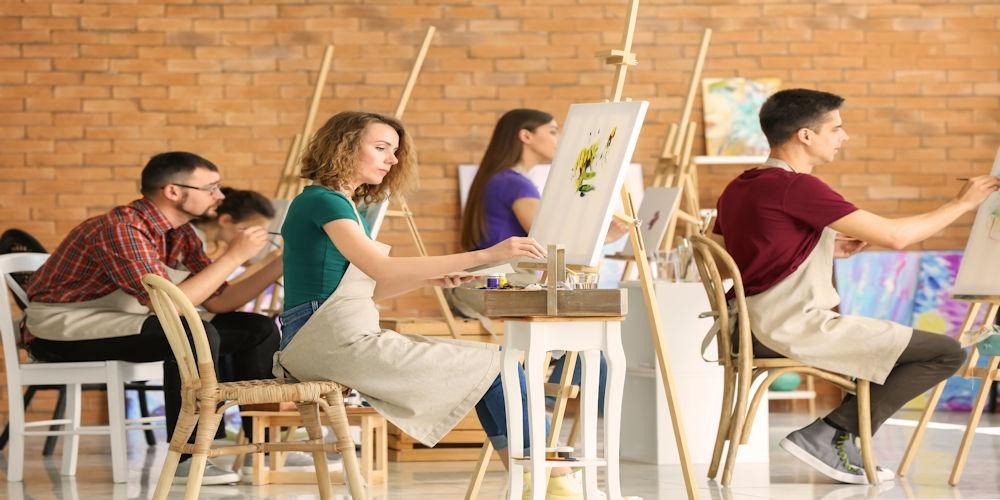
Unleashing Imagination: The Artistry of Creative Design

Introduction & Background
Creative design stands as a cornerstone of innovation in today’s visually driven world. From the sleek interfaces of mobile apps to the striking logos of global brands, design shapes how we interact with the world around us. It transcends mere aesthetics, embedding functionality, emotion, and meaning into every project. The significance of creative design lies not only in its ability to captivate audiences but also in its power to solve problems, streamline experiences, and communicate ideas without words. As technology evolves and consumer expectations rise, the role of the designer has transformed into one of an architect of experiences, blending artistry with strategic thinking. This evolution reflects a broader cultural shift where creativity is no longer confined to studios but is celebrated across industries, from tech to healthcare, education to entertainment. Understanding the depth of creative design requires exploring its foundations, principles, and the transformative impact it has on both creators and consumers alike.
Concept & Overview
At its core, creative design is the intentional process of crafting solutions that merge form and function to meet specific objectives. It begins with a problem or an opportunity and evolves through research, ideation, prototyping, and refinement. Unlike traditional art, which often prioritizes self-expression, creative design is inherently user-centered. It demands empathy, as designers must step into the shoes of their audience to anticipate needs, desires, and frustrations. The discipline encompasses various fields, including graphic design, industrial design, user experience design, and interior design, each with its own methodologies yet sharing fundamental principles such as balance, contrast, hierarchy, and unity. A well-conceived design not only captures attention but also guides the user intuitively through an experience, making complex tasks feel effortless. The fusion of creativity and practicality is what elevates good design to greatness, creating artifacts that resonate emotionally and intellectually with their users.
Key Features & Highlights
- User-Centric Approach: Creative design places the user at the heart of the process. Every decision, from color palettes to navigation flows, is informed by an understanding of the target audience’s behaviors, preferences, and pain points.
- Innovation & Originality: Breaking away from conventions and exploring new ideas is essential. Designers often challenge norms to create something fresh, memorable, and impactful that stands out in a crowded marketplace.
- Problem-Solving Mindset: Design is inherently a problem-solving tool. Whether it’s improving accessibility in digital interfaces or optimizing space in physical environments, the goal is to make the complex simple and the mundane meaningful.
- Visual Storytelling: Through imagery, typography, and layout, creative design tells stories without words. It conveys messages, evokes emotions, and builds brand identities that resonate deeply with audiences over time.
- Collaboration & Iteration: Great designs rarely emerge fully formed. They are the result of iterative processes, feedback loops, and collaboration among designers, developers, marketers, and stakeholders, ensuring alignment and continuous improvement.
- Sustainability & Ethical Considerations: Modern creative design increasingly incorporates sustainability principles, from using eco-friendly materials in product design to creating digital products with minimal environmental impact. Ethical design also respects privacy, inclusivity, and social responsibility.
Frequently Asked Questions / Pros & Cons
What is the difference between creative design and traditional art?
Creative design differs from traditional art primarily in its purpose and process. While art focuses on self-expression and emotional exploration, creative design prioritizes solving specific problems for users or clients. Designers work within constraints such as budgets, timelines, and business goals, whereas artists often have more freedom to interpret their vision. Additionally, design typically involves collaboration with teams and stakeholders, while art can be a solitary pursuit. However, both fields share a foundation in creativity, aesthetics, and the use of visual elements to communicate ideas.
Can anyone learn creative design, or is it a skill you are born with?
Creative design is a skill that can be learned and developed over time. While some individuals may have a natural inclination toward visual thinking or aesthetic sensitivity, design principles such as composition, color theory, and typography can be studied and mastered through practice and education. Tools and software have also democratized the field, making it more accessible to beginners. However, true mastery requires continuous learning, experimentation, and a willingness to embrace feedback and iterate. Passion and curiosity often matter more than innate talent in the long run.
What are the biggest challenges faced by creative designers today?
- Keeping up with rapidly changing trends: The design landscape evolves quickly, driven by technological advancements and cultural shifts. Designers must stay updated to remain relevant and innovative.
- Balancing creativity with client expectations: Clients may have specific visions that conflict with design best practices or user needs. Effective communication and negotiation skills are essential to align creative goals with business objectives.
- Managing time and resources: Tight deadlines and limited budgets can pressure designers to cut corners, potentially compromising the quality of the final product.
- Ensuring inclusivity and accessibility: Designs must be usable by diverse audiences, including people with disabilities. This requires thoughtful planning and testing to meet accessibility standards.
What tools and software are essential for creative designers?
While the choice of tools can vary depending on the design discipline, some widely used software includes Adobe Creative Suite (Photoshop, Illustrator, InDesign), Sketch and Figma for UI/UX design, AutoCAD for industrial design, and Procreate for digital illustration. Additionally, prototyping tools like Adobe XD, InVision, and Framer help designers create interactive mockups. Collaboration platforms such as Miro and Trello are also valuable for managing projects and brainstorming sessions. The key is to select tools that align with the designer’s workflow and project requirements.
What is the future of creative design?
The future of creative design is poised for transformation through emerging technologies and shifting cultural paradigms. Artificial intelligence and machine learning are beginning to play a role in automating repetitive tasks, allowing designers to focus on higher-level creative thinking. Virtual and augmented reality are opening new frontiers in immersive design, enabling users to interact with products and environments in unprecedented ways. Sustainability will continue to shape design practices, with a growing emphasis on circular design and eco-conscious materials. Moreover, as digital experiences dominate daily life, the demand for intuitive, emotionally intelligent design will rise, making the designer’s role more critical than ever in shaping human experiences.
Practical Guidance & Solutions
For aspiring designers, building a strong foundation starts with understanding core principles. Begin by studying the basics of color theory, typography, and composition through online courses, books, or design schools. Practice regularly by working on personal projects or participating in design challenges that push creative boundaries. Building a diverse portfolio is essential, as it showcases your range and problem-solving abilities to potential clients or employers.
When working on client projects, always start with thorough research to understand the audience and objectives. Use tools like user personas and journey maps to empathize with users and identify pain points. Iteration is key, so present multiple concepts and gather feedback early and often. Embrace collaboration by involving stakeholders in the process to ensure alignment and buy-in. Document your design decisions to create a clear narrative for why certain choices were made, which can be especially helpful during revisions.
For designers aiming to stay ahead, cultivate a habit of continuous learning. Follow industry leaders on social media, subscribe to design publications, and attend webinars or conferences. Experiment with new tools and techniques to expand your skill set. Networking with other professionals can open doors to collaborations and mentorship opportunities. Above all, prioritize empathy in your work. Whether designing a website, a product, or a brand identity, the most impactful designs are those that genuinely resonate with and serve their intended audience.
Conclusion
Creative design is far more than an aesthetic endeavor. It is a dynamic, multifaceted discipline that bridges art, technology, and human experience. By blending intuition with strategy, designers craft solutions that are not only visually compelling but also functional, inclusive, and meaningful. The artistry of creative design lies in its ability to transform abstract ideas into tangible experiences that enrich daily life. As we move forward, the boundaries of design will continue to expand, driven by innovation and a deeper understanding of human needs. For those who dare to imagine, design offers a powerful medium to shape the future, one thoughtfully crafted artifact at a time. Whether you are a seasoned professional or an enthusiastic beginner, the journey into creative design is one of endless discovery, growth, and the joy of creation.