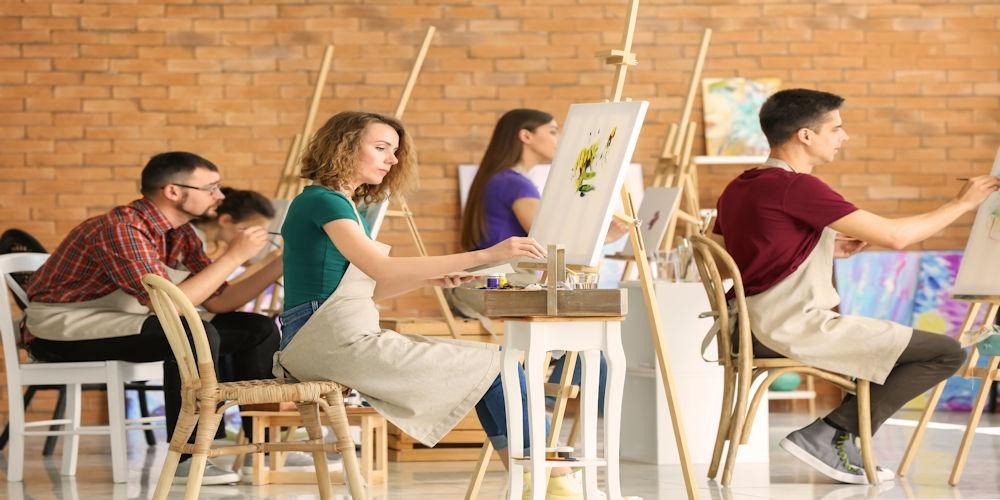
The Canvas of Innovation: Where Art Meets Design

The Canvas of Innovation: Where Art Meets Design
In the ever-evolving world of creativity, art and design stand as two pillars that shape human expression, functionality, and cultural identity. While they often intertwine, their distinctions and symbiotic relationship fuel a dynamic landscape where innovation thrives. Art is the raw, unfiltered voice of emotion, imagination, and personal perspective, while design is the structured, purposeful application of creativity to solve problems or enhance experiences. Together, they form a canvas where innovation is not just possible but inevitable.
The Dance Between Art and Design
At first glance, art and design might seem like distant cousins—both rooted in aesthetics but driven by different motivations. Art is an exploration, a rebellion against convention, and a celebration of individuality. It doesn’t always serve a practical purpose; instead, it invites viewers to interpret, feel, and reflect. Design, on the other hand, is inherently functional. Whether it’s a product, a space, or a digital interface, design prioritizes usability, accessibility, and user experience. Yet, the most groundbreaking innovations emerge when these two forces collaborate.
Consider the works of iconic figures like Leonardo da Vinci, who blurred the lines between art and design with his anatomical sketches and architectural blueprints. His ability to merge beauty with functionality set a precedent for future generations. Similarly, modern-day creators like Zaha Hadid, whose architectural designs are as much about sculpture as they are about livable spaces, exemplify how art and design can coexist to push boundaries.
The Role of Technology in Bridging Art and Design
Technology has become the great unifier in the convergence of art and design. Digital tools like Adobe Creative Suite, Procreate, and Blender have democratized the creation process, allowing artists and designers to experiment freely. Virtual reality (VR) and augmented reality (AR) have opened new dimensions for immersive experiences, where users can interact with art and design in real time. For instance, VR art installations allow viewers to step into a painter’s mind, while AR design apps let architects visualize structures in their intended environments before a single brick is laid.
Generative AI is another frontier where art and design intersect. Tools like DALL·E and Midjourney enable creators to generate intricate designs or artworks based on textual prompts, blending human intention with machine creativity. This fusion raises intriguing questions about authorship and the role of the artist in an age where algorithms can produce compelling visuals. Yet, it also highlights the irreplaceable human touch—the ability to infuse meaning, context, and emotion into every creation.
Innovation Through Collaboration
The most transformative innovations often arise from collaboration between artists and designers. Interdisciplinary teams, such as those working in the gaming industry, exemplify this synergy. Game designers rely on artists to create visually stunning worlds, while artists depend on designers to ensure those worlds are engaging and navigable. The result? Experiences that are both breathtaking and intuitive, like the breathtaking landscapes of *The Legend of Zelda: Breath of the Wild* or the emotionally resonant narratives in *Journey*.
In product design, collaborations between artists and engineers have led to iconic objects that are as much about aesthetics as they are about function. Apple’s sleek product designs, crafted under the vision of Jony Ive, are a testament to how artistry can elevate everyday technology. Similarly, fashion designers like Iris van Herpen blend haute couture with cutting-edge materials and 3D printing, redefining wearable art.
The Future: A Canvas Without Limits
The future of art and design lies in their ability to adapt, evolve, and inspire. As sustainability becomes a critical consideration, artists and designers are turning to eco-friendly materials and practices, proving that innovation can be both beautiful and responsible. For example, designers are upcycling waste materials into stunning furniture, while artists are using recycled plastics to create thought-provoking installations about environmental degradation.
Moreover, the rise of biodesign—a field where art, design, and biology intersect—offers a glimpse into a future where living organisms become part of the creative process. Artists and designers are collaborating with scientists to grow mycelium-based materials, cultivate living dyes, or even engineer bio-reactive sculptures that respond to their environments. This not only pushes the boundaries of creativity but also challenges our understanding of what art and design can achieve.
Conclusion: Embracing the Fusion
The canvas of innovation is vast, and it thrives at the intersection of art and design. By embracing their differences and leveraging their strengths, creators can break new ground in fields ranging from technology to sustainability. Whether it’s through the immersive worlds of video games, the functional elegance of product design, or the boundary-pushing experiments of biodesign, the fusion of art and design will continue to redefine what’s possible.
For aspiring artists and designers, the key is to remain curious, collaborative, and open to experimentation. The most groundbreaking innovations often come from those who dare to ask, “What if?” and then bring that question to life. In a world where creativity knows no limits, the canvas of innovation is endless—and it’s waiting for the next masterpiece.