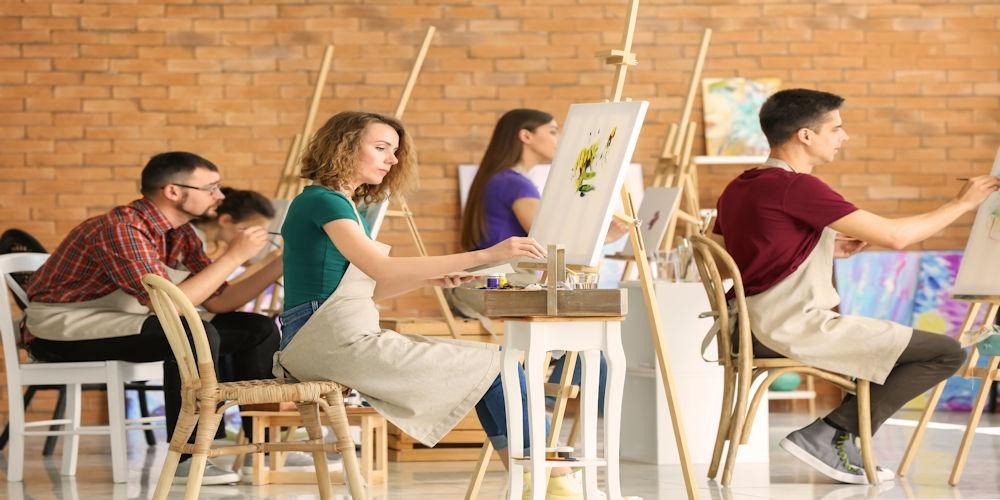
Whispers of Wonder: A Kaleidoscope of Art and Emotion

# Whispers of Wonder: A Kaleidoscope of Art and Emotion
## The Magic of Art in Human Expression
Art is more than a visual feast—it is a language of the soul, a whisper that carries emotions, stories, and truths beyond words. From the earliest cave paintings to the vibrant murals of today, art has been humanity’s way of capturing wonder, pain, joy, and everything in between. It challenges perspectives, evokes memories, and connects people across time and space. When we immerse ourselves in art, we don’t just observe; we feel, react, and sometimes even transform.
Every brushstroke, every sculpted curve, every pixel on a digital canvas tells a story—whether intended by the artist or interpreted by the viewer. This interplay between creation and perception is where the true magic lies. Art doesn’t just reflect life; it reshapes it, offering glimpses into alternate realities and unspoken emotions. It is a kaleidoscope, constantly shifting, revealing new patterns with every turn.
## The Emotional Palette: How Art Evokes Feeling
Artists are emotional architects, building experiences that resonate deeply within us. A single painting can evoke nostalgia, a sculpture can stir contemplation, and a photograph can capture a moment so raw it feels like our own memory. The emotional power of art lies in its ability to bypass logic and speak directly to our hearts.
Consider the haunting beauty of Edvard Munch’s *The Scream*—its swirling lines and vivid colors mirror the chaos of anxiety, making viewers feel the artist’s inner turmoil. Or the serene landscapes of Monet, where light dances on water, evoking peace and tranquility. These works don’t just depict scenes; they invite us to *feel* the emotions behind them. Art becomes a mirror, reflecting our own joys, sorrows, and fleeting moments of introspection.
## A Journey Through Artistic Movements: From Realism to Abstraction
The world of art is a vast, ever-evolving landscape, shaped by cultural shifts, technological advancements, and philosophical revolutions. Each movement tells a story of its time, challenging conventions and redefining beauty.
– **Renaissance (14th–17th century)** – A rebirth of classical ideals, where art celebrated humanism, perspective, and anatomical precision. Masters like Leonardo da Vinci and Michelangelo brought myth and reality together in breathtaking harmony.
– **Romanticism (late 18th–mid 19th century)** – Emotion took center stage, with artists like J.M.W. Turner painting nature’s fury and human passion in bold, dramatic strokes.
– **Impressionism (late 19th century)** – A revolution in perception, where artists like Monet and Renoir captured fleeting moments of light and color, prioritizing sensation over detail.
– **Surrealism (early 20th century)** – Dreams and the subconscious became the canvas, with Salvador Dalí and René Magritte creating impossible worlds that questioned reality itself.
– **Abstract Expressionism (mid-20th century)** – Emotion and spontaneity reigned, as seen in Jackson Pollock’s drip paintings, where the act of creation became as important as the result.
– **Contemporary Digital Art (21st century)** – Technology has expanded the boundaries of art, with digital tools enabling new forms of storytelling, from AI-generated imagery to immersive virtual reality experiences.
Each movement reflects the spirit of its era, proving that art is not static but a living, breathing entity that evolves with society.
## The Artist’s Voice: Stories Behind the Masterpieces
Behind every great artwork lies a story—sometimes of struggle, sometimes of triumph, and often of profound personal meaning. Understanding the artist’s journey can deepen our appreciation of their work.
Take Frida Kahlo, whose vibrant self-portraits were born from physical pain and emotional turmoil. Her art wasn’t just decorative; it was a diary of her life, her loves, and her resilience. Or consider Vincent van Gogh, who painted *Starry Night* while battling mental illness, transforming his inner darkness into a swirling cosmos of hope and beauty.
Then there are the unsung heroes—artists from marginalized communities who used their craft to challenge oppression and demand visibility. Faith Ringgold’s quilts told stories of Black American life, while Kehinde Wiley’s portraits reimagined historical European art with contemporary Black subjects. These artists didn’t just create; they sparked conversations, provoked thought, and changed perceptions.
## Art as a Mirror and a Window
Art does more than reflect reality—it reshapes it. A single piece can be a mirror, showing us aspects of ourselves we hadn’t noticed before. It can also be a window, offering a view into experiences vastly different from our own.
For those who feel unseen or unheard, art can be a lifeline. It validates emotions, gives voice to the voiceless, and fosters empathy. A child drawing their first stick figure isn’t just scribbling—they’re expressing a need for attention or creativity. A protest poster isn’t just propaganda—it’s a rallying cry for justice. Art, in all its forms, is a universal language that transcends barriers of language, culture, and time.
## The Healing Power of Creativity
Beyond its aesthetic and intellectual value, art has a profound impact on well-being. Studies have shown that engaging with art—whether creating it or simply observing it—can reduce stress, enhance cognitive function, and even aid in trauma recovery.
– **Art Therapy** – Used in clinical settings to help individuals process emotions, improve mental health, and regain a sense of control.
– **Community Art Projects** – Bringing people together to collaborate on murals or installations fosters connection and a sense of belonging.
– **Mindful Observation** – Taking time to truly *see* a piece of art can be a meditative practice, grounding us in the present moment.
Art doesn’t just heal the artist—it heals the viewer, the participant, and the world at large.
## The Future of Art: Where Tradition Meets Innovation
As we stand on the brink of a new artistic era, technology is redefining what art can be. Virtual reality (VR) allows us to step *inside* a painting, while artificial intelligence (AI) is creating art that challenges our notions of authorship and creativity.
– **Generative AI Art** – Tools like DALL·E and MidJourney generate images from text prompts, raising questions about originality and the role of the artist.
– **Augmented Reality (AR) Installations** – Artists like teamLab blend digital and physical spaces, creating interactive experiences that respond to viewers in real time.
– **NFTs and Digital Ownership** – The rise of blockchain has introduced new ways to buy, sell, and authenticate digital art, sparking debates about value and accessibility.
Yet, even as technology expands the possibilities, the core of art remains unchanged—it is still a vessel for emotion, a tool for storytelling, and a bridge between souls. The future of art isn’t about replacing tradition; it’s about evolving it.
## How to Cultivate Your Own Artistic Journey
You don’t need to be a professional artist to experience the wonder of creation. Art is for everyone, and engaging with it—whether as a creator or an admirer—can enrich your life in unexpected ways.
– **Start Small** – Keep a sketchbook, take photographs, or write poetry. Creativity thrives in the everyday.
– **Visit Galleries and Museums** – Even a short visit can inspire new ideas and broaden your perspective.
– **Experiment with Different Mediums** – Try watercolors, digital art, or even collage. There’s no wrong way to create.
– **Reflect on What You Love** – What emotions do certain colors or shapes evoke in you? Let your preferences guide your exploration.
– **Share Your Work** – Whether with friends or online, sharing your art connects you to a community of like-minded individuals.
Remember, art isn’t about perfection—it’s about expression. Every mark, every note, every word is a whisper of your unique perspective.
## Closing Thoughts: The Endless Dance of Wonder
Art is a living, breathing force—a kaleidoscope of emotions, ideas, and experiences that never ceases to astound. It reminds us that beauty exists in the ordinary, that pain can be transformed into power, and that connection is possible even across vast divides.
So the next time you encounter a piece of art, take a moment to pause. Let it wash over you. Ask yourself: *What does this make me feel?* *What story is it telling?* *How does it reflect—or challenge—my world?*
In that quiet exchange between viewer and artist, wonder is born. And in that wonder, we find a little more of what it means to be human.