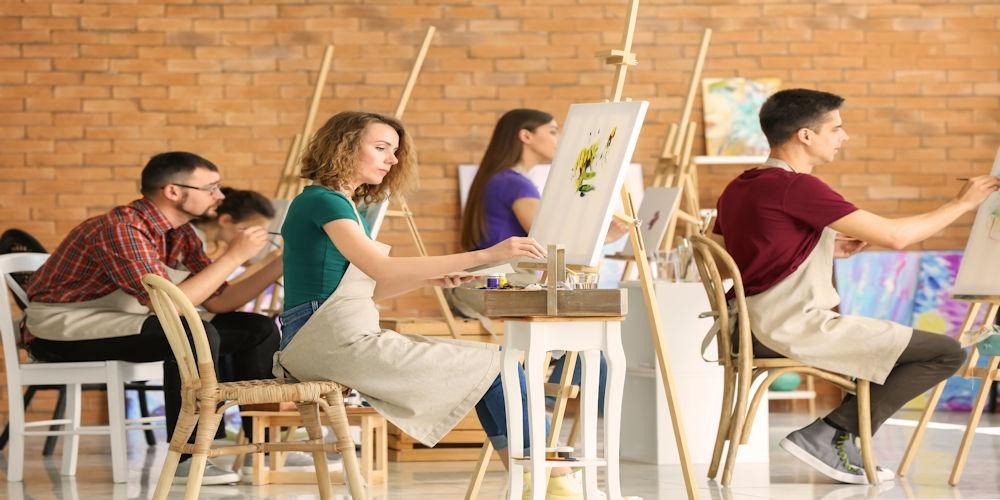
The Canvas of Tomorrow: Unveiling the Bold Art Trends Redefining Creativity

The Canvas of Tomorrow: Unveiling the Bold Art Trends Redefining Creativity
The art world is undergoing a seismic transformation, driven by technological innovation, cultural shifts, and a relentless pursuit of new forms of expression. As we stand on the precipice of a new era, artists and creators are breaking free from traditional boundaries, experimenting with unconventional mediums, and redefining what art can be. This evolution is not just about aesthetics—it’s about challenging perceptions, engaging audiences in immersive ways, and addressing pressing global issues through creativity. Welcome to the canvas of tomorrow, where bold art trends are reshaping the very essence of artistic innovation.
The Fusion of Technology and Art
Perhaps the most striking trend in contemporary art is the seamless integration of technology. Artists are no longer confined to brushes and canvas; they are embracing digital tools, artificial intelligence, and interactive installations to push creative boundaries. One of the most groundbreaking developments is the rise of generative art, where algorithms create dynamic, ever-evolving pieces based on predefined rules or data inputs. Platforms like Artbreeder and DeepDream allow artists to collaborate with AI, blending human intuition with machine precision to produce mesmerizing visuals that challenge traditional notions of authorship.
Another frontier is augmented reality (AR) and virtual reality (VR), which are revolutionizing how audiences experience art. Museums and galleries are increasingly adopting AR-enhanced exhibitions, where viewers can use their smartphones to interact with digital overlays that bring static paintings to life or provide contextual information. VR, on the other hand, offers fully immersive environments, transporting users into surreal landscapes or historical reenactments. Artists like Refik Anadol are at the forefront of this movement, using data-driven installations to create immersive experiences that blur the line between physical and digital realms.
The Resurgence of Mixed Media and Multisensory Art
While digital art continues to dominate conversations, there’s a powerful resurgence of mixed media and multisensory art—works that engage not just sight but also touch, sound, and even scent. Artists are increasingly combining traditional materials like paint, sculpture, and textiles with unconventional elements such as recycled objects, organic matter, and electronic components. This trend reflects a growing desire to create art that is tactile, interactive, and deeply personal.
One notable example is biophilic art, which incorporates natural elements like plants, water, and organic textures into installations. Artists like Eduardo Kac have explored bio art, using living organisms as mediums to raise questions about biology, ethics, and the environment. Meanwhile, sound art is gaining traction as artists experiment with auditory experiences to evoke emotions or challenge perceptions. Installations like Christine Sun Kim’s “Degrees of My Deaf Rage in the Art World” use vibrations and silence to confront societal norms around disability and communication.
The trend extends to olfactory art, where scent becomes a primary medium. Artists like Sissel Tolaas create installations that use smell to evoke memories, emotions, or even political statements. By engaging multiple senses, these works create a holistic experience that transcends the visual, inviting audiences to fully immerse themselves in the artwork.
Art as a Tool for Social and Environmental Change
Art has always been a reflection of society, but today’s artists are using their work as a catalyst for activism and change. Socially engaged art and eco-art are gaining momentum as creators address issues like climate change, inequality, and human rights through their practice. Unlike traditional art that may comment on society from a distance, these works often involve collaboration with communities, participatory elements, and a focus on tangible outcomes.
One powerful movement is climate art, which uses visual storytelling to highlight environmental crises. Artists like Olafur Eliasson have created large-scale installations, such as his “Ice Watch” project, where melting icebergs were displayed in public spaces to raise awareness about global warming. Similarly, Taryn Simon’s “The Innocents” series explores the intersection of photography, justice, and wrongful convictions, using art to challenge systemic biases.
Community-based art projects are also thriving, with artists working directly with marginalized groups to amplify their voices. Projects like theaster gates’ “Reconstruction Works” transform abandoned buildings into cultural hubs, fostering dialogue and revitalization in underserved neighborhoods. These initiatives demonstrate that art is not just a form of self-expression but a powerful tool for social cohesion and empowerment.
The Democratization of Art Through Digital Platforms
The internet has democratized art in ways previously unimaginable. Digital platforms and social media have broken down barriers, allowing artists from diverse backgrounds to share their work with global audiences without the need for traditional gatekeepers like galleries or critics. This shift has given rise to new movements and subcultures, from NFT art to viral digital challenges that redefine what art can be.
NFTs (Non-Fungible Tokens) have sparked both excitement and controversy. By leveraging blockchain technology, artists can mint unique digital assets that are verifiably scarce, allowing them to monetize their work directly. While the NFT market has faced scrutiny for its environmental impact and speculative nature, it has also provided a lifeline for digital artists who were previously undervalued. Platforms like SuperRare and Foundation have become hubs for a new wave of creators, proving that digital art can command the same prestige as traditional mediums.
Social media has also played a pivotal role in this democratization. Platforms like Instagram, TikTok, and Twitter allow artists to build personal brands, connect with audiences, and even crowdfund their projects. Viral challenges like #DrawThisInYourStyle or #ArtTwitter have created communities where artists inspire and challenge each other, leading to rapid innovation and cross-pollination of ideas. The rise of AI-generated art on platforms like DALL·E and MidJourney has further blurred the lines between artist and audience, inviting everyone to become a creator.
The Future: Where Art and Life Intersect
As we look ahead, the boundaries between art and life are becoming increasingly porous. Artists are no longer content with creating objects for contemplation; they are crafting experiences, environments, and even living systems that challenge how we perceive the world. The trends emerging today suggest a future where art is not just something to be admired but something to be lived—an integral part of our daily existence.
One exciting development is the rise of living art, where artworks are not static but evolve over time. This can include installations that incorporate growing plants, interactive sculptures that respond to human presence, or even AI-driven pieces that adapt based on audience interaction. Artists like Agnes Denes have long explored the intersection of art and ecology, but today’s practitioners are taking it a step further by creating works that actively participate in the cycles of life and decay.
Another frontier is wearable art, where fashion and art collide to create wearable sculptures that challenge conventional notions of clothing. Designers like Iris van Herpen use 3D printing and unconventional materials to craft pieces that are as much about artistic expression as they are about functionality. These wearable artworks are not just for display—they are statements, performances, and even protest tools, blurring the line between artist, designer, and activist.
The future of art is also likely to be shaped by collaborative and decentralized models. The rise of DAO-based art collectives (Decentralized Autonomous Organizations) is a testament to this shift, where communities collectively own and govern artistic projects. These models empower artists to work outside traditional structures, experiment with new funding models, and ensure that their work remains accessible to diverse audiences.
Conclusion: Embracing the Uncharted
The art trends of tomorrow are not just about innovation for its own sake—they are about reimagining the role of art in society. From the fusion of technology and creativity to the rise of socially engaged and multisensory experiences, today’s artists are dismantling old hierarchies and building new ones. They are using their platforms to address global challenges, democratize access to art, and invite audiences to become active participants in the creative process.
As we move forward, the canvas of tomorrow will be defined by boldness, inclusivity, and a willingness to experiment. Whether through AI-generated masterpieces, climate-conscious installations, or NFT-driven digital revolutions, art is evolving in ways that reflect the complexities of our time. The question is no longer *what* art will look like in the future, but *how* it will continue to shape our world—and how we, as a society, will engage with it. One thing is certain: the future of art is not just bright; it is limitless.